How to make an explainer video for a complex product
Most companies assume the hardest part of making an explainer video is the production itself. Finding a crew, booking a location, getting the cut right. The harder problem is almost always earlier than that, and it's the one most briefs never address.
The product is too complex to explain in two minutes. At least, that's what the marketing team believes.
That belief shapes every decision that follows, and most of those decisions make the video worse.
Why most explainer videos for complex products fail
The instinct when a product is complicated is to include everything. Every feature, every use case, every differentiator. The logic seems sound: if the product is hard to understand, more explanation should help.
Audiences don't experience it that way. A video that tries to cover everything ends up communicating nothing clearly, because the viewer has no anchor. They absorb fragments without understanding what the product actually does for them.
The best explainer videos for complex products do the opposite. They identify the one thing the audience needs to understand and make that undeniable. Everything else is either supporting detail or left out entirely.
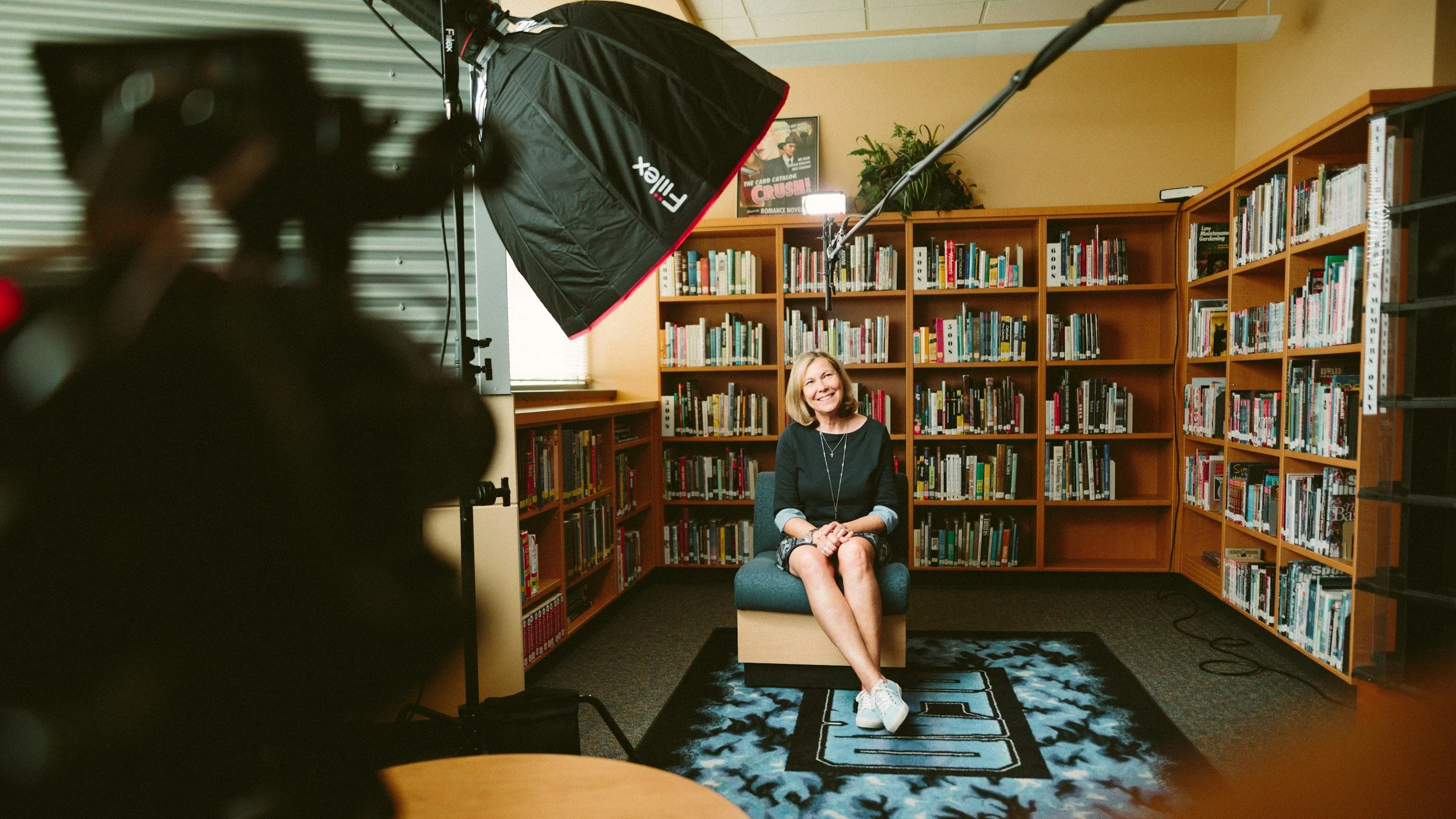
image by @sammcghee
What should an explainer video actually explain?
This is where most briefs get written incorrectly. Teams ask what the product does. The more useful question is what the buyer needs to believe before they'll take the next step.
Those are different questions with different answers. A procurement manager evaluating enterprise software doesn't need to understand every module on first contact. They need to believe the product solves a real problem they recognise, that it works reliably, and that switching won't be a disaster. An explainer video built around those three things will outperform one built around a feature walkthrough every time.
Before any production agency Sydney businesses work with can do its job, that clarity has to exist on paper. The video follows the strategy. It doesn't create it.
How long should a corporate explainer video be?
Sixty seconds is the answer most people expect. For many complex B2B products, it's the wrong answer.
Length should follow the decision being made, not a convention from social media content. A video sitting on a landing page aimed at cold traffic operates differently from one sent directly to a procurement team mid-evaluation. The first probably needs to be short and provocative. The second can afford to be thorough, because the viewer is already interested.
Corporate video production services that understand this distinction will ask where the video lives before they ask how long it should run. The distribution context determines the format. Sixty seconds on a paid social ad. Three minutes on a product page. Eight minutes as a leave-behind for a sales team. Each of those is a legitimate answer for a different situation.
Should you use animation or real footage for a complex product?
Animation became the default for explainer videos because it sidesteps a difficult question: how do you film something that isn't physically visible?
Software interfaces, financial processes, supply chain logic. None of these photograph naturally. So studios reach for animation, and the result looks like every other explainer video in the category. Clean, competent, and forgettable.
Explainer videos Sydney audiences respond to tend to mix real footage with motion graphics in a way that feels specific to the product rather than generic to the format. Real people speaking on camera build credibility that animation cannot replicate. Motion graphics handle the abstract elements. The combination signals that a real company with real customers made this, which is exactly what a sceptical B2B buyer needs to see.
How do you make a complex product feel simple on screen?
The answer isn't simplification. It's sequencing.
Viewers can follow complex ideas when those ideas are introduced in the right order, with enough context before each new layer arrives. The mistake is assuming that complexity itself is the barrier. Usually the barrier is explanation that skips steps, assumes prior knowledge, or jumps between concepts without building a bridge.
Among film production companies Sydney businesses use for B2B content, the ones producing the strongest explainer videos invest heavily in the scripting phase. The visual production is secondary to getting the narrative sequence right. When the script works, the production is straightforward. When it doesn't, no amount of production quality will save the video.
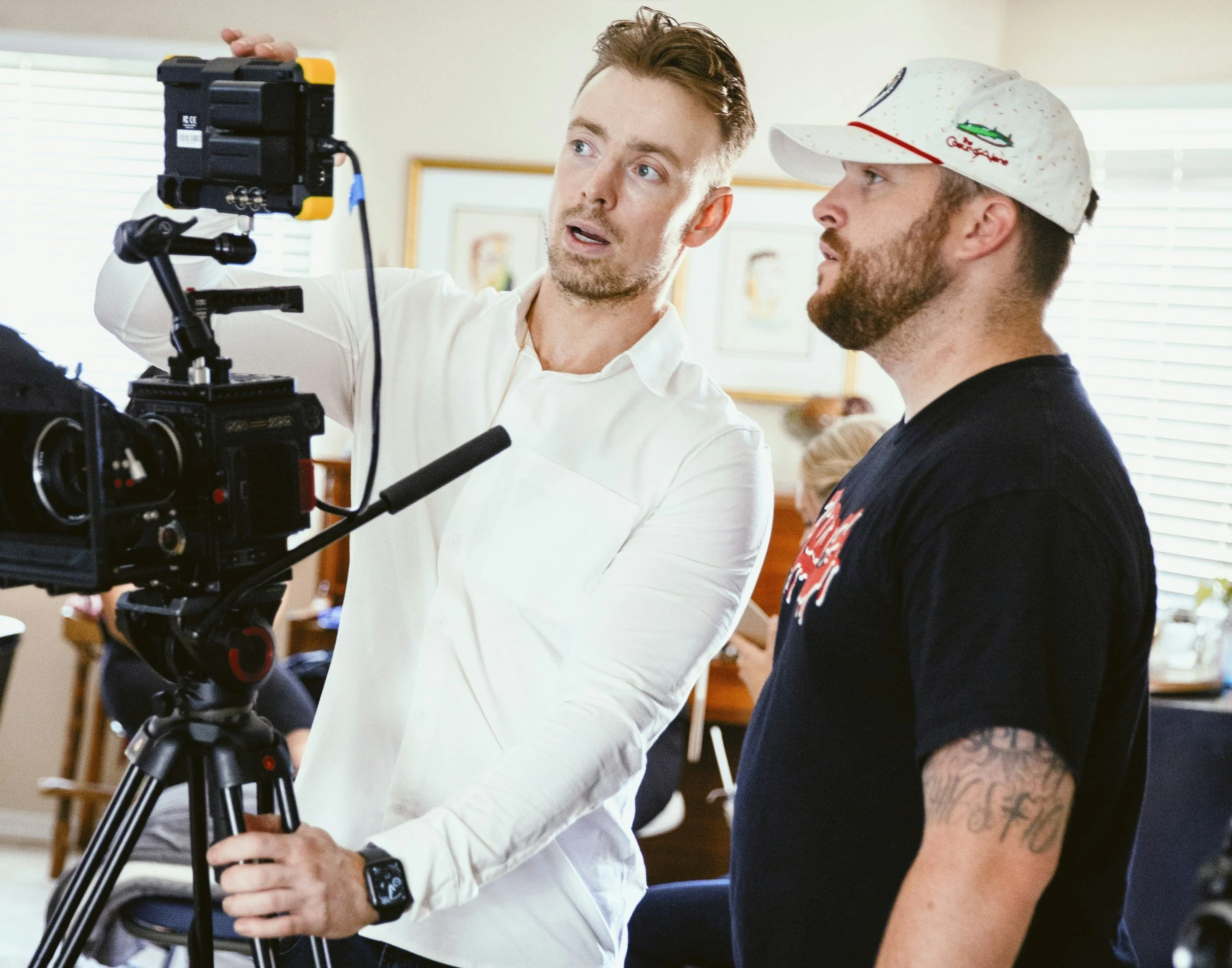
image by @gcowie
The goal of an explainer video is never to explain everything. It's to move a specific viewer one step closer to a decision. When that framing guides the project from the start, complex products become much easier to communicate clearly.
If you're working through how to approach a video for a product that's difficult to explain, we work with organisations across Sydney to develop explainer video strategies that actually convert. Get in touch with the CactusCan team to start the conversation.
CactusCan Media is your go-to video production company in Sydney, producing corporate video production, explainer videos, testimonial content, brand story videos, event coverage, and social media clips that drive results. As an experienced film production company, we combine creativity with strategy to deliver video content that resonates with audiences and supports your business goals. With a professional cameraman on every project, our clients know they’re getting high-quality, professional video production services they can rely on. Whether you’re planning your next corporate video or searching for video production services near you, our Sydney-based team makes the process stress-free and the outcome unforgettable.
About the Author

Sarah Watts
As our Marketing and Project Manager, Sarah is the driving force behind our successful projects and campaigns. With a keen eye for detail and an unwavering commitment to delivering excellence, Sarah orchestrates seamless collaborations that ensure our clients' vision becomes a reality.
Her innate understanding of marketing dynamics make her the go-to expert for developing effective strategies that resonate with diverse audiences. Sarah is passionate about crafting compelling narratives and overseeing every project's journey from inception to fruition, resulting in remarkable success stories.